
5-Star Service Commitment
Ultimate Moving Resource Center

Moving Tips, Checklists & Pro Advice For A Better Move

A complete moving resource built to help you plan, pack, protect your belongings, prepare your home, handle moving day and settle in with fewer surprises.

8-Week ChecklistPacking TipsRoom GuidesApartment Tips Moving DayFragile ItemsLong DistanceScam Prevention
60+Practical Tips
8 WeeksPlanning Timeline
Room By RoomPacking Guidance
Moving DayReady Checklist
Fast Wins

12 Moving Tips That Make An Immediate Difference

These are simple actions that can save time and reduce confusion before the truck arrives.

Tip 01

Start With What You Use Least

Pack seasonal items, decorations, books and storage areas first so daily life stays functional.

Tip 02

Use Small Boxes For Heavy Items

Books, canned goods and dense items are easier to carry when the container stays compact.

Tip 03

Use Large Boxes For Light Items

Bedding, pillows and linens can fill larger cartons without making them dangerously heavy.

Tip 04

Label The Destination Room

Write the room and a short contents description on more than one side of each box.

Tip 05

Build A First-Night Kit

Keep chargers, toiletries, medicine, clothing, paperwork, snacks and basic household supplies accessible.

Tip 06

Photograph Electronics

Take quick pictures of cable connections before disconnecting TVs, computers, routers and entertainment systems.

Tip 07

Clear The Walking Path

Move loose objects away from hallways, stairs and doorways so the crew has a clean route.

Tip 08

Tell Movers About Special Items Early

Pianos, safes, oversized furniture, glass pieces and unusually heavy items should be disclosed before moving day.

Tip 09

Keep Valuables With You

Carry IDs, jewelry, medication, important paperwork, keys and irreplaceable items personally.

Tip 10

Reserve Parking Beforehand

A long carry from the truck can slow down a move. Confirm legal and practical truck access early.

Tip 11

Finish Loose-Item Packing

Small loose items are one of the biggest causes of last-minute delay. Box them before movers arrive.

Tip 12

Do One Final Empty-Room Walkthrough

Check closets, cabinets, patios, garages, attics and appliance interiors before leaving.

The Complete Timeline

Your 8-Week Moving Checklist

Use this timeline as a flexible planning framework. If your move is sooner, combine the steps and prioritize access, packing, documents and essential services first.

8 Weeks Before
  • Create a moving folder for estimates and receipts.
  • Start comparing moving companies.
  • Set a realistic moving budget.
  • Begin decluttering one area at a time.
  • Measure large furniture and doorway clearances.
  • Start a room-by-room inventory.
  • Check building or HOA moving rules.
  • Identify items needing special handling.
6 Weeks Before
  • Choose what to keep, donate, sell or discard.
  • Order boxes, tape, paper and protective supplies.
  • Start packing storage areas and seasonal belongings.
  • Collect school, medical or other records if needed.
  • Plan pet and child arrangements for moving day.
  • Confirm elevator or loading-area reservation rules.
  • Photograph valuable or delicate pieces.
  • Create a list of utilities and subscriptions to update.
4 Weeks Before
  • Confirm your mover and important move details.
  • Pack non-daily household items.
  • Label every box by room.
  • Start address-change planning.
  • Use up freezer and pantry items.
  • Plan disassembly for large furniture.
  • Arrange time off work if needed.
  • Confirm parking conditions at both addresses.
2 Weeks Before
  • Pack most remaining nonessential items.
  • Confirm utilities at the new property.
  • Back up important computer files.
  • Prepare a first-night essentials kit.
  • Separate documents, medication and valuables.
  • Confirm keys, gate codes and access instructions.
  • Dispose of prohibited or hazardous items properly.
  • Make a plan for food, pets and children on move day.
1 Week Before
  • Finish nearly all packing.
  • Confirm arrival window and contact information.
  • Prepare appliances according to manufacturer guidance.
  • Defrost a freezer if necessary.
  • Remove wall-mounted items if you are handling them.
  • Set aside basic cleaning supplies.
  • Charge phones and portable battery packs.
  • Review your box count and special-item list.
Moving Day
  • Keep your essentials bag with you.
  • Make sure walkways are clear.
  • Secure pets away from doors and activity.
  • Show the crew what is moving and what is staying.
  • Point out fragile, heavy and priority items.
  • Keep your phone available.
  • Do a final property walkthrough.
  • Confirm you have keys and access to the destination.
Packing Better

20 Practical Packing Tips

Good packing is less about speed and more about weight, protection, organization and making the new home easier to unpack.

Boxes & Weight

Keep cartons manageable and stable.
01

Match Box Size To Weight

Put dense, heavy belongings in smaller boxes and light bulky items in larger ones.

02

Do Not Overload Boxes

A box should close normally and remain safe to lift without the bottom bowing or breaking.

03

Fill Empty Space

Use packing paper, towels or appropriate cushioning so contents do not shift excessively in transit.

04

Reinforce The Bottom

Use quality packing tape and make sure reused cartons are still structurally sound.

Labeling & Organization

Make unloading faster.
05

Label By Destination Room

Write “Kitchen,” “Primary Bedroom,” “Garage,” or another clear destination so boxes go to the right place.

06

Add A Short Contents Note

“Pots & pans” is more useful than simply writing “Kitchen.”

07

Mark Fragile Boxes Clearly

Put the marking on multiple sides so it stays visible regardless of how the box is stacked.

08

Number Important Boxes

A simple numbered inventory can help you notice quickly if something is missing.

Speed & Efficiency

Reduce last-minute work.
09

Pack One Room At A Time

Room-by-room packing keeps categories together and makes labeling more accurate.

10

Create A Packing Station

Keep tape, markers, labels, scissors, paper and bags in one easy-to-reach place.

11

Finish Small Loose Items Early

Desk drawers, bathroom counters, toys and miscellaneous décor take longer than people expect.

12

Do Not Mix “Keep” And “Donate”

Use clearly separated zones so donation items do not accidentally get loaded.

Protection

Reduce scratches and breakage risk.
13

Wrap Delicate Items Individually

Separate fragile pieces and use enough cushioning to prevent direct contact.

14

Protect Furniture Surfaces

Moving blankets and appropriate wrap can help protect finished surfaces during handling.

15

Remove Loose Shelves

Take out removable glass or loose shelving when practical and pack it separately.

16

Bag Small Hardware

Put screws and bolts from disassembled furniture in labeled bags and keep them with the matching item.

Essentials & Personal Items

Keep important things accessible.
17

Make A First-Night Box

Include toiletries, chargers, basic kitchen items, bedding, toilet paper, medication and a change of clothes.

18

Carry Documents Yourself

Keep IDs, passports, financial documents and other critical paperwork with you.

19

Keep Medication Accessible

Do not bury medication in a box that may be difficult to locate after arrival.

20

Keep Chargers Out Of The Truck

Phone and device chargers are small but become important immediately during a long moving day.

Room-By-Room

How To Pack Each Part Of The Home

Different rooms create different packing problems. Use these focused checklists to avoid treating every box the same.

Kitchen

  • Start with seldom-used appliances and serving pieces.
  • Use sturdy boxes for dishes and glassware.
  • Wrap breakable pieces individually.
  • Pack plates so they are well-cushioned and not overloaded.
  • Separate sharp utensils safely.
  • Keep liquids sealed and upright.
  • Use up refrigerated and frozen food before moving day.
  • Set aside one small kit for your first meal at the new home.

Bedrooms

  • Pack seasonal clothing first.
  • Use wardrobe boxes when hanging garments need to stay organized.
  • Bag bed-frame hardware and label it.
  • Keep one change of clothes outside the moving boxes.
  • Remove valuables from dressers and nightstands.
  • Pack lampshades separately from heavy lamp bases.
  • Protect mirrors and framed art carefully.
  • Keep bedding accessible for the first night.

Living Room

  • Photograph cable connections before disconnecting electronics.
  • Remove loose shelves from entertainment units.
  • Pack remotes with the corresponding device.
  • Use original television packaging when available.
  • Protect furniture edges and finished surfaces.
  • Separate small decorative pieces into clearly labeled boxes.
  • Remove batteries from devices that may sit unused.
  • Measure large furniture against destination doorways if clearance is tight.

Garage & Storage

  • Start early because these areas usually contain the most forgotten items.
  • Sort tools into manageable containers.
  • Drain or prepare equipment as required by its manufacturer.
  • Do not pack prohibited hazardous materials.
  • Dispose of unwanted chemicals through appropriate local channels.
  • Group sports and outdoor equipment together.
  • Protect sharp garden tools and blades.
  • Label boxes clearly because garage contents can look similar.

Bathrooms

  • Discard expired toiletries and medication appropriately.
  • Seal liquids in bags before boxing.
  • Keep daily toiletries in your essentials bag.
  • Pack towels as light filler where appropriate.
  • Separate cleaning chemicals from ordinary household goods.
  • Keep a small roll of toilet paper accessible for the new home.

Home Office

  • Back up important digital files before disconnecting equipment.
  • Photograph cable layouts.
  • Label cords by device.
  • Keep critical documents with you.
  • Use protective packaging for monitors and computers.
  • Pack printer ink and supplies upright where applicable.
  • Shred paperwork you no longer need rather than moving it.
  • Keep work essentials in a separate priority box if you need to resume quickly.
Furniture and fragile item protection during a move
Fragile & Special Items

Protect The Things That Need Extra Attention

Fragile belongings should be identified before moving day so the packing method, handling plan and space in the truck can be considered ahead of time.

Use sturdy cartons with enough cushioning around breakable contents.
Avoid packing heavy objects on top of delicate items.
Use original packaging for electronics when it is still in good condition.
Separate glass shelves, removable parts and loose components where practical.
Clearly identify artwork, mirrors, TVs, glass furniture and other delicate pieces.
Tell the mover about safes, pianos, unusually heavy items or oversized pieces before the move.
Keep irreplaceable documents, jewelry and sentimental valuables with you.
Apartment & Condo Moves

Apartment Moving Tips People Often Forget

Apartment moves are usually more about access than distance. A good access plan can make a major difference.

01

Reserve The Elevator

Confirm whether a freight elevator is required and what hours it may be used.

02

Ask About A COI

Some buildings require a certificate of insurance from the mover before allowing the move.

03

Confirm Loading Zones

Know exactly where the truck can legally and practically park.

04

Share Gate Codes

Provide gate, call-box or security instructions before the crew arrives.

05

Measure Tight Hallways

Large couches and refrigerators may require advance planning in narrow buildings.

06

Protect Common Areas

Follow building rules for floors, walls and elevator padding.

07

Know Building Hours

Some properties restrict move-in and move-out times.

08

Plan For Long Carries

If the truck cannot park near the unit, mention the walking distance during quoting.

09

Keep Entryways Clear

Avoid placing boxes in narrow hallways where they can block the crew.

Moving Day

Moving-Day Checklist

A smooth move starts with access, communication and having the right belongings separated before loading begins.

Before Arrival

Finish Packing Loose Items

Close, tape and label boxes before the crew arrives whenever possible.

Access

Open Gates & Clear Paths

Make sure entry points, stairs, hallways and loading areas are available.

Communication

Walk The Crew Through The Home

Show what is moving, what is staying and which items need special attention.

Personal

Keep Essentials Separate

Put medication, documents, chargers, keys and valuables in your own vehicle or personal bag.

Family

Secure Pets & Children

Keep them away from open doors, stairs and active carrying routes.

Final Check

Walk Every Area

Look inside cabinets, closets, garages, patios and storage spaces before leaving.

Long-Distance Moves

Tips For Moves That Go Beyond The Local Area

Long-distance moves need more planning because your essentials, travel schedule and delivery access may be separated by hours or days.

Do

  • Keep travel documents, IDs and medication with you.
  • Pack enough clothing and toiletries for the travel period.
  • Keep phone chargers and backup batteries accessible.
  • Confirm destination access before departure.
  • Photograph valuable or delicate items before loading.
  • Have a basic first-night setup ready.
  • Confirm contact numbers and delivery communication procedures.
  • Plan for pets, food, hotel stops and children separately from household goods.

Avoid

  • Putting all important documents in the moving truck.
  • Assuming you will immediately find a specific box after arrival.
  • Packing prohibited or hazardous materials.
  • Waiting until moving day to mention difficult access.
  • Leaving destination keys with someone who may be unavailable.
  • Loading medicine or daily medical supplies you may need during travel.
  • Forgetting to keep basic cleaning and bedding supplies accessible.
  • Overpacking cartons simply to reduce box count.
Hiring A Moving Company

Protect Yourself Before You Book

Price matters, but documentation, licensing where required, clarity and communication matter too.

01

Get Important Terms In Writing

Keep the agreed services, timing, pricing structure and major conditions documented.

02

Do Not Sign Blank Paperwork

Review documents before signing and make sure important fields are completed.

03

Be Cautious With Large Upfront Demands

Unusually large payment demands before service can be a warning sign.

04

Verify Interstate Registration When Applicable

For interstate moves, confirm the mover's federal registration information.

05

Disclose Your Full Inventory

A quote is more useful when stairs, elevators, special items, long carries and packing needs are included.

06

Ask What Is Included

Clarify whether the truck, equipment, packing materials, travel charges or other services are included or additional.

After The Truck Leaves

10 Tips For Settling In Faster

The move is not finished when the last box enters the house. A smart unpacking order can make the first night much easier.

01

Set Up Beds First

You will appreciate having somewhere ready to sleep after a long day.

02

Open The Essentials Box

Get toiletries, chargers, basic food supplies and daily necessities out first.

03

Unpack One Room At A Time

Finishing a complete room creates order faster than partially opening boxes everywhere.

04

Check Utilities

Confirm electricity, water, internet and other essential services are functioning.

05

Locate Breakers & Shutoffs

Know where key household controls are before you actually need them.

06

Inspect Important Items

Check fragile or high-priority belongings while the move is still fresh in your mind.

07

Break Down Empty Boxes

Flatten cartons as you unpack to keep the home from becoming cluttered.

08

Update Remaining Addresses

Finish banks, subscriptions, registrations and services that were not changed before the move.

09

Check Smoke & CO Alarms

Make sure basic safety equipment is present and functioning in the new home.

10

Keep A Small Fix-It Box

Basic tools, tape, fasteners and cleaning supplies are useful while settling in.

See The Process

Moving Preparation In Practice

Planning, protection, loading access and organization all work together to create a better moving day.
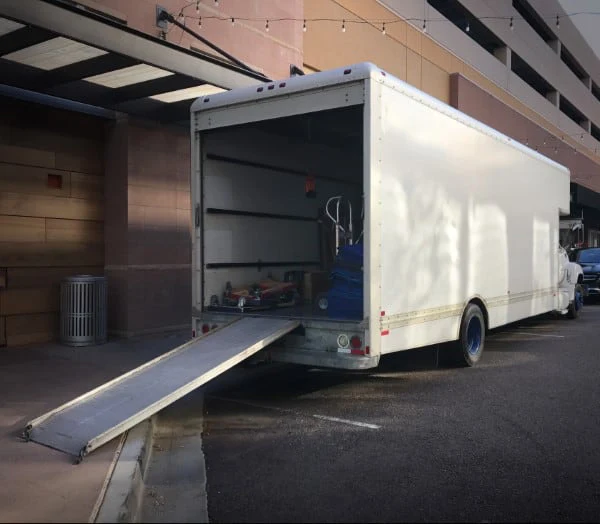
Packing boxes before residential movePacking & Preparation
Protected furniture during moving serviceFurniture Protection
Professional moving truck and crewTruck & Loading
Professional moving crew preparing household itemsProfessional Crew
Moving Tips FAQ

Common Moving Preparation Questions

Quick answers to the questions customers often have before moving day.

How far in advance should I start planning a move?

Start several weeks ahead when possible. Early planning gives you more time to compare movers, declutter, organize packing, arrange access and handle address changes.

What should I pack first?

Start with belongings you use least often, such as seasonal items, decorations, storage areas and books. Leave daily essentials until later.

What should stay with me instead of going on the truck?

Keep IDs, medication, important documents, valuables, keys, chargers, basic toiletries and other immediate essentials with you.

How should I label boxes?

Label the destination room and add a short contents description. Mark fragile boxes clearly and consider numbering important boxes.

Should I empty dresser drawers?

Remove heavy items, breakables, valuables and anything that could shift or damage the furniture. Ask your mover about light clothing because handling practices can vary.

How should I prepare an apartment for movers?

Confirm elevator reservations, loading areas, parking, gate codes, building hours and any move-in or move-out requirements before moving day.

What information makes a moving quote more accurate?

Provide complete addresses, inventory, stairs or elevators, walking distance, parking limitations, special items, packing needs and the planned move date.

How should fragile dishes be packed?

Use a sturdy box, wrap pieces individually, cushion the bottom and empty spaces, and avoid making the carton excessively heavy.

When should I mention heavy or oversized items?

Before moving day. Early notice helps the moving company plan the crew, equipment, truck space and access.

What should I do the morning of the move?

Finish last-minute packing, separate essentials, clear walking paths, secure pets, confirm truck access and keep your phone available.

How can I avoid moving scams?

Verify the company, read paperwork carefully, avoid signing documents with blank spaces and be cautious about unusually large upfront payment demands.

What should I unpack first?

Start with beds, bathroom basics, chargers, medication, basic kitchen needs and your first-night essentials.

Helpful Moving Pages

Keep Planning Your Move

Use these service and resource pages when you are ready to go from planning to an actual move.

Need Professional Movers?

Al’s Professional Moving LLC provides residential, apartment, office, packing and long-distance moving services throughout Southern California.