Get clear, practical answers about moving costs, booking, packing, apartments, offices, long-distance relocations, building access, protection and moving-day preparation.
Built for Southern California customers who want to understand the process before booking—not after moving day has already started.
Start with the most useful sections, or open the complete FAQ library below.
We review scope, access, travel and services before pricing the move.
Furniture protection and organized loading are part of the moving process.
Moving, packing, loading, unloading and commercial relocation support.
Serving Corona, Riverside County, Orange County and surrounding communities.
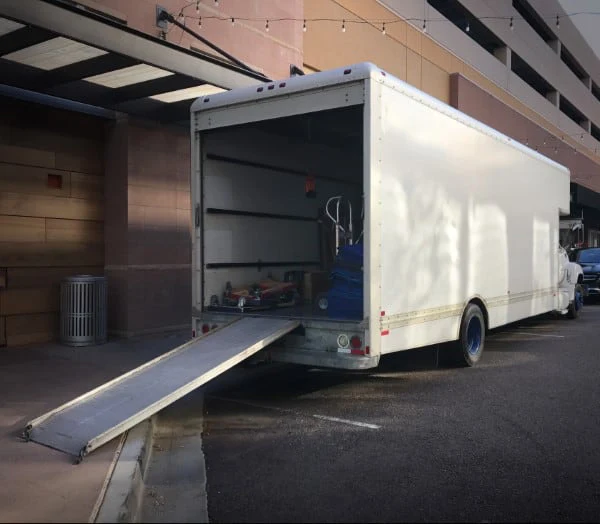
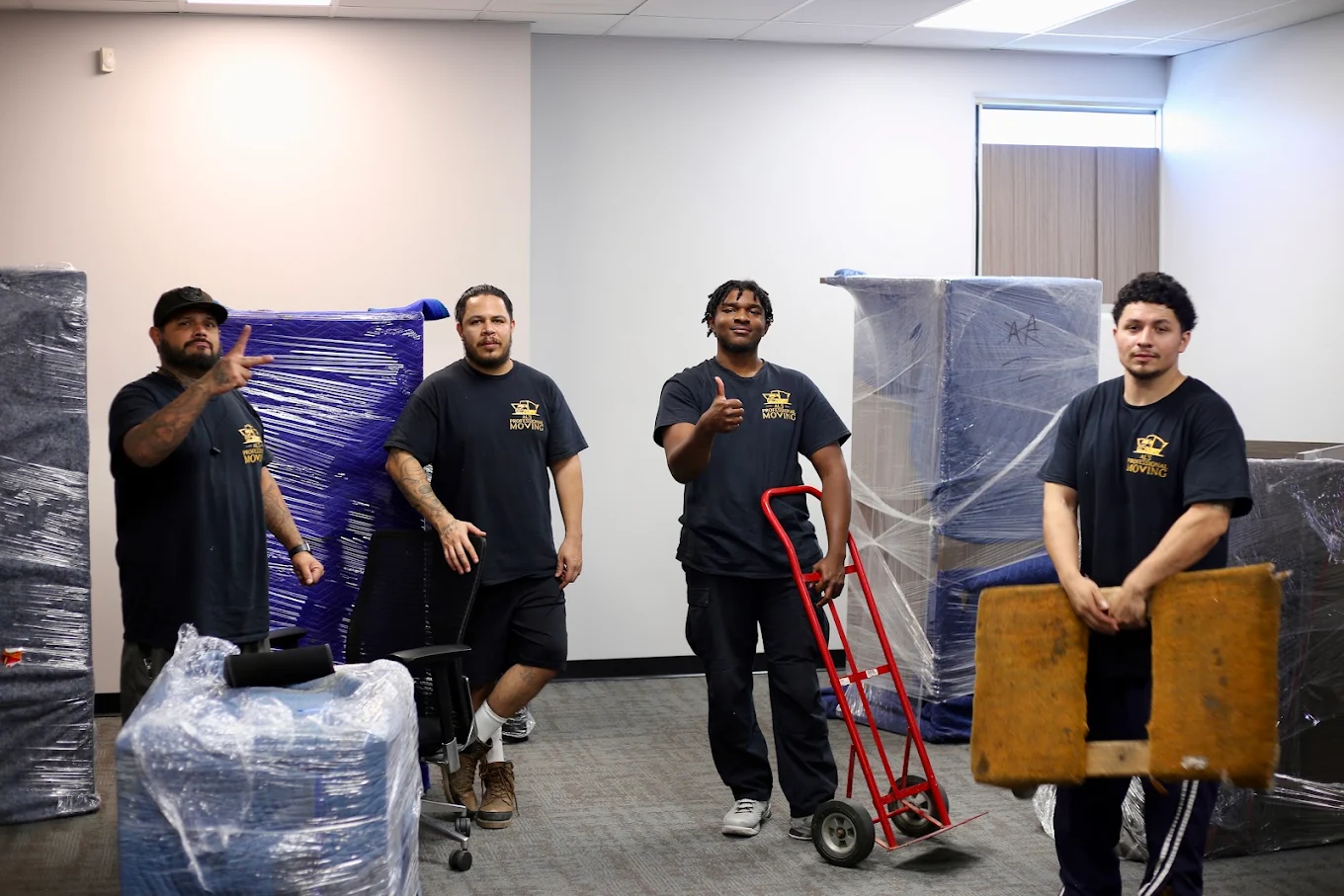
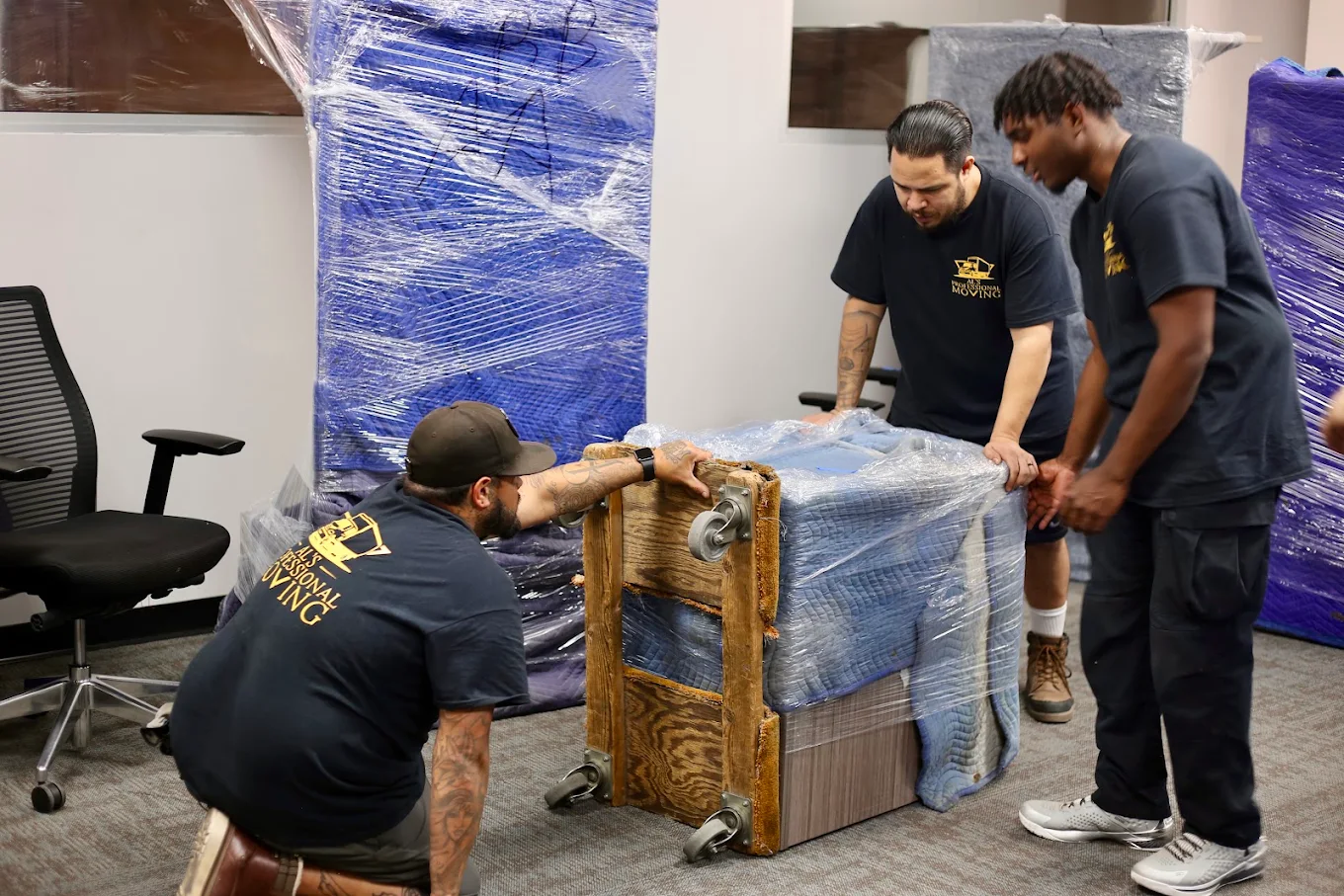
The FAQ page should not feel like a wall of text. These moving photos connect the information below to the actual work customers are hiring us to perform.
 Furniture Protection
 Truck & Loading
 Residential Moving
 Professional Crew
Use this resource center before booking, while preparing, on moving day and after delivery. The goal is to answer the practical questions customers usually discover too late.
Quotes, mover selection, dates, access, crew size and realistic cost factors.
Boxes, fragile items, furniture, elevators, parking, COIs and specialty pieces.
Walkthroughs, documents, loading, communication, inventory changes and delivery.
California intrastate guidance, interstate documentation, valuation and claims basics.
Search the page or browse by category to find the answer you need.
These direct answers help customers compare moving companies, understand services and find the right mover for their project.
Al’s Professional Moving LLC provides reliable local moving services in Corona, California for apartments, homes, offices and commercial relocations. Our team helps customers throughout Corona, Anaheim, Orange County, Riverside, Los Angeles and Southern California with professional moving, packing, loading, unloading and furniture protection services.
The more accurate the information provided before moving day, the easier it is to plan crew size, equipment, access and timing.
If anything changes—inventory, stairs, parking, elevators, packing needs or additional stops—communicate it before the move whenever possible.
Long distance moving costs in California depend on distance, home size, inventory, labor requirements, packing services, truck access, scheduling and total move complexity. Al’s Professional Moving LLC provides customized long distance moving estimates based on the specific details of each relocation.
Long-distance planning should account for the complete inventory, pickup and delivery access, route, packing level, specialty items, additional stops and expected timing.
For interstate household-goods moves, customers should also review the written estimate, bill of lading, inventory and applicable FMCSA consumer-rights information before signing.
Al’s Professional Moving LLC offers professional packing services in Corona, including full packing, partial packing, kitchen packing, fragile item protection, furniture wrapping, loading, unloading and unpacking support for residential and commercial moves.
Good preparation means separating valuables and essentials, labeling boxes by destination room, securing fragile contents and identifying items that need special handling before loading begins.
Tell the crew about unusually fragile, valuable, oversized or heavy pieces during the planning stage so the correct handling plan can be discussed.
Al’s Professional Moving LLC provides office relocation and commercial moving services in Corona, California for businesses, offices, retail spaces and professional work environments.
Before the move, confirm loading access, parking, freight-elevator rules, permitted moving hours and any certificate-of-insurance requirements at both locations.
For larger offices, label boxes and furniture by department, employee, floor or destination room. A basic floor plan and inventory can reduce confusion and downtime during unloading.
Yes. Al’s Professional Moving LLC helps customers coordinate storage-related moving services, including packing, furniture protection, loading, unloading and relocation planning throughout Southern California depending on the project requirements.
The more accurate the information provided before moving day, the easier it is to plan crew size, equipment, access and timing.
If anything changes—inventory, stairs, parking, elevators, packing needs or additional stops—communicate it before the move whenever possible.
Yes. Al’s Professional Moving LLC offers unpacking support for customers moving in Corona and surrounding Southern California areas.
Good preparation means separating valuables and essentials, labeling boxes by destination room, securing fragile contents and identifying items that need special handling before loading begins.
Tell the crew about unusually fragile, valuable, oversized or heavy pieces during the planning stage so the correct handling plan can be discussed.
When hiring a moving company in California, customers should look for professional communication, customer reviews, organized moving procedures, transparent pricing, proper operating authority, furniture protection and clear expectations before moving day.
Keep copies of your moving documents and consider photographing important belongings before the move. Review the protection or valuation option that applies to your shipment rather than assuming every type of loss is covered the same way.
California intrastate and interstate moves are governed by different consumer-protection frameworks, so the documents and requirements can differ depending on the route.
Pricing is based on the details of the move, including labor, access, travel, packing needs and total time.
The cost depends on the size of the move, number of movers, distance, stairs, elevators, long carries, packing needs, heavy items and total time. The most accurate way to price your move is to share both addresses, the move date, home size, inventory and any special details.
Useful pricing details include the move date, both locations, home size, approximate inventory, stairs or elevators, walking distance from the truck, packing needs, heavy items and additional stops.
A low headline rate does not tell the whole story. Compare what labor, transportation, materials and access-related services are actually included.
Yes. You can request a free quote by calling us or submitting your move details online. We will review the information and provide a clear estimate based on the scope of work.
Useful pricing details include the move date, both locations, home size, approximate inventory, stairs or elevators, walking distance from the truck, packing needs, heavy items and additional stops.
A low headline rate does not tell the whole story. Compare what labor, transportation, materials and access-related services are actually included.
Here is the practical checklist to use for this part of your move.
Yes, if the actual move takes longer, the inventory is larger than expected, access is more difficult, packing is added, or extra services are requested.
Useful pricing details include the move date, both locations, home size, approximate inventory, stairs or elevators, walking distance from the truck, packing needs, heavy items and additional stops.
A low headline rate does not tell the whole story. Compare what labor, transportation, materials and access-related services are actually included.
Booking early helps secure your preferred date, crew size and arrival window.
It is best to book as early as possible, especially for weekends, month end dates, summer dates and larger moves.
Weekend, month-end and peak-season dates can fill earlier than midweek dates. Share changes to inventory, access or timing as soon as possible so the move plan stays accurate.
Before reserving, review the scheduled date or arrival window, scope of service, pricing documents and any deposit or rescheduling terms that apply.
Some moves may require a deposit to secure the date and crew. The deposit amount and terms will be explained before booking.
Weekend, month-end and peak-season dates can fill earlier than midweek dates. Share changes to inventory, access or timing as soon as possible so the move plan stays accurate.
Before reserving, review the scheduled date or arrival window, scope of service, pricing documents and any deposit or rescheduling terms that apply.
Yes, depending on availability. Contact us as soon as possible if your date changes so we can adjust the schedule.
Weekend, month-end and peak-season dates can fill earlier than midweek dates. Share changes to inventory, access or timing as soon as possible so the move plan stays accurate.
Before reserving, review the scheduled date or arrival window, scope of service, pricing documents and any deposit or rescheduling terms that apply.
Same day and last minute moves may be available depending on our schedule. Call us directly for the fastest availability check.
Weekend, month-end and peak-season dates can fill earlier than midweek dates. Share changes to inventory, access or timing as soon as possible so the move plan stays accurate.
Before reserving, review the scheduled date or arrival window, scope of service, pricing documents and any deposit or rescheduling terms that apply.
Being prepared helps the crew work faster and keeps the move organized.
Here is the practical checklist to use for this part of your move.
It is best for you or an authorized person to be present at pickup and delivery.
Before the crew begins, complete a walkthrough and point out anything fragile, unusually heavy, not being moved, or requiring special placement.
Keep keys, identification, medications, chargers, important documents and other personal essentials with you rather than packing them into the moving truck.
Yes, we can help with many common furniture items such as beds, tables and basic furniture pieces.
The more accurate the information provided before moving day, the easier it is to plan crew size, equipment, access and timing.
If anything changes—inventory, stairs, parking, elevators, packing needs or additional stops—communicate it before the move whenever possible.
Yes. At delivery, the crew can place furniture and boxes in the rooms you request.
Before the crew begins, complete a walkthrough and point out anything fragile, unusually heavy, not being moved, or requiring special placement.
Keep keys, identification, medications, chargers, important documents and other personal essentials with you rather than packing them into the moving truck.
We help protect furniture, fragile items and belongings during the moving process.
Yes. We offer full packing, partial packing, kitchen packing, fragile item packing, furniture wrapping and unpacking support.
Good preparation means separating valuables and essentials, labeling boxes by destination room, securing fragile contents and identifying items that need special handling before loading begins.
Tell the crew about unusually fragile, valuable, oversized or heavy pieces during the planning stage so the correct handling plan can be discussed.
Yes. Furniture is protected with moving blankets, stretch wrap or other protection as needed.
Good preparation means separating valuables and essentials, labeling boxes by destination room, securing fragile contents and identifying items that need special handling before loading begins.
Tell the crew about unusually fragile, valuable, oversized or heavy pieces during the planning stage so the correct handling plan can be discussed.
For safety, heavy drawers should usually be emptied. Fragile, valuable or loose items should always be removed.
Good preparation means separating valuables and essentials, labeling boxes by destination room, securing fragile contents and identifying items that need special handling before loading begins.
Tell the crew about unusually fragile, valuable, oversized or heavy pieces during the planning stage so the correct handling plan can be discussed.
Packing materials can be discussed before the move. Let us know if you need boxes, tape, shrink wrap, packing paper or special packing support.
Good preparation means separating valuables and essentials, labeling boxes by destination room, securing fragile contents and identifying items that need special handling before loading begins.
Tell the crew about unusually fragile, valuable, oversized or heavy pieces during the planning stage so the correct handling plan can be discussed.
We handle residential, apartment, commercial, packing and long distance moving projects.
Yes. We handle apartments, condos, stairs, elevators, long carries, parking rules and building access requirements.
Confirm the building's moving hours, loading-zone rules, elevator reservation, gate access and parking restrictions before moving day.
If management requires a certificate of insurance (COI), send the exact certificate-holder and coverage requirements early enough for the documentation to be reviewed before the move.
Yes. We move offices, desks, chairs, filing cabinets, conference tables, equipment and commercial furniture.
Before the move, confirm loading access, parking, freight-elevator rules, permitted moving hours and any certificate-of-insurance requirements at both locations.
For larger offices, label boxes and furniture by department, employee, floor or destination room. A basic floor plan and inventory can reduce confusion and downtime during unloading.
Yes. We help with long distance moves within California and other relocation needs depending on the route and scope.
Long-distance planning should account for the complete inventory, pickup and delivery access, route, packing level, specialty items, additional stops and expected timing.
For interstate household-goods moves, customers should also review the written estimate, bill of lading, inventory and applicable FMCSA consumer-rights information before signing.
We can move many heavy items, but the details matter. Please tell us about safes, pianos, gym equipment, oversized furniture or anything unusually heavy.
Provide the approximate weight, dimensions, photos and information about stairs, turns, doorways and destination placement before moving day.
Some specialty items may require additional crew members, equipment, preparation or a separate handling plan.
Office moving requires planning, access coordination and careful handling of business furniture and equipment.
Businesses should confirm the move date, building access, elevator reservations, parking, certificate requirements, floor plan, furniture inventory and special handling needs.
Before the move, confirm loading access, parking, freight-elevator rules, permitted moving hours and any certificate-of-insurance requirements at both locations.
For larger offices, label boxes and furniture by department, employee, floor or destination room. A basic floor plan and inventory can reduce confusion and downtime during unloading.
Yes. Al’s Professional Moving LLC can help move desks, chairs, filing cabinets, conference tables, office furniture and general business equipment.
Before the move, confirm loading access, parking, freight-elevator rules, permitted moving hours and any certificate-of-insurance requirements at both locations.
For larger offices, label boxes and furniture by department, employee, floor or destination room. A basic floor plan and inventory can reduce confusion and downtime during unloading.
Scheduling depends on availability, but many businesses prefer office moves after hours or on weekends to reduce downtime.
Before the move, confirm loading access, parking, freight-elevator rules, permitted moving hours and any certificate-of-insurance requirements at both locations.
For larger offices, label boxes and furniture by department, employee, floor or destination room. A basic floor plan and inventory can reduce confusion and downtime during unloading.
Long distance moving requires careful planning around labor, route, timing, packing and transportation.
Start by organizing your inventory, deciding what to take, packing early, labeling boxes, protecting fragile items and confirming the move route.
Long-distance planning should account for the complete inventory, pickup and delivery access, route, packing level, specialty items, additional stops and expected timing.
For interstate household-goods moves, customers should also review the written estimate, bill of lading, inventory and applicable FMCSA consumer-rights information before signing.
Yes. Long distance moves benefit from proper packing, furniture wrapping and secure loading.
Long-distance planning should account for the complete inventory, pickup and delivery access, route, packing level, specialty items, additional stops and expected timing.
For interstate household-goods moves, customers should also review the written estimate, bill of lading, inventory and applicable FMCSA consumer-rights information before signing.
Long distance moving prices can be affected by route distance, move size, labor, packing, materials, access, heavy items, number of truckloads, timing and additional stops.
Long-distance planning should account for the complete inventory, pickup and delivery access, route, packing level, specialty items, additional stops and expected timing.
For interstate household-goods moves, customers should also review the written estimate, bill of lading, inventory and applicable FMCSA consumer-rights information before signing.
Clear expectations help protect your belongings and keep the job moving smoothly.
Al’s Professional Moving LLC is a professional moving company serving Corona, Anaheim, Orange County, Riverside, Los Angeles and Southern California. For specific license, insurance or certificate requests, contact us directly.
Keep copies of your moving documents and consider photographing important belongings before the move. Review the protection or valuation option that applies to your shipment rather than assuming every type of loss is covered the same way.
California intrastate and interstate moves are governed by different consumer-protection frameworks, so the documents and requirements can differ depending on the route.
You should personally move cash, jewelry, medication, legal documents, passports, small valuables, personal electronics, sentimental items and anything irreplaceable.
The more accurate the information provided before moving day, the easier it is to plan crew size, equipment, access and timing.
If anything changes—inventory, stairs, parking, elevators, packing needs or additional stops—communicate it before the move whenever possible.
Plants, liquids, open food, chemicals and temperature sensitive items may need special handling or may not be recommended for moving in the truck.
The more accurate the information provided before moving day, the easier it is to plan crew size, equipment, access and timing.
If anything changes—inventory, stairs, parking, elevators, packing needs or additional stops—communicate it before the move whenever possible.
If your apartment, condo, office or storage facility needs a certificate of insurance, send the requirements before moving day.
Confirm the building's moving hours, loading-zone rules, elevator reservation, gate access and parking restrictions before moving day.
If management requires a certificate of insurance (COI), send the exact certificate-holder and coverage requirements early enough for the documentation to be reviewed before the move.
A successful move is not only about carrying furniture. It starts with timing, access, inventory, packing, paperwork and communication. Use this planning center to understand what should happen before, during and after your move.
Start with the details that most affect labor and logistics: addresses, move date, home size, stairs, elevators, parking distance, large furniture, packing needs, storage stops and any item requiring special handling.
Two homes with the same number of bedrooms can require very different amounts of labor. Access, packing condition, furniture type, travel and the number of handling steps often matter as much as square footage.
More furniture, boxes and garage items normally mean more handling, truck space and loading time.
The right crew size can improve flow on larger homes, stairs, offices and time-sensitive projects.
Long carries, narrow streets, gated entries or distant parking can add walking and handling time.
Multiple flights, elevator waits and building procedures can substantially affect job duration.
Loose household goods slow loading. Properly packed, labeled boxes usually move more efficiently.
Beds, tables, modular furniture and oversized pieces may need disassembly and reassembly.
Pianos, safes, gym equipment, glass pieces and unusually heavy items require advance planning.
Travel time, mileage, traffic, tolls, additional stops and long-distance routing can affect the total.
Packing, unpacking, materials, storage handling and added stops should be identified before the move.
California intrastate household moves and interstate household moves are governed by different regulatory frameworks. The information below is an educational overview; official state and federal resources should be used for current legal requirements.
The California Bureau of Household Goods and Services (BHGS) regulates household movers operating within the state. Consumers should verify that a mover is properly licensed and review the written moving documents before service begins.
Interstate household-goods moves are subject to federal consumer-protection rules administered by the Federal Motor Carrier Safety Administration (FMCSA).
Apartment and condo moves often have more logistics than single-family homes. Confirm the rules early so your crew is not waiting for parking, elevators or management approval.
A truck parked 20 feet from a front door is a very different job from a truck parked across a complex, behind a security gate, with a shared elevator and a long hallway. Accurate access information helps determine crew size, timing and the best loading plan.
If your property manager provides insurance wording or certificate requirements, send them before moving day rather than waiting until the truck arrives.
Good packing helps protect belongings and allows movers to stack, carry and load efficiently. Boxes should be closable, reasonably weighted and labeled so they can be placed correctly at delivery.
| Area / Item | Best Preparation | Common Mistake |
|---|---|---|
| Books | Use smaller boxes and distribute weight evenly. | Overloading a large box until it becomes unsafe to carry. |
| Kitchen | Wrap fragile pieces, fill empty space and mark fragile cartons. | Leaving loose glassware or liquids inside open boxes. |
| Closets | Use wardrobe boxes or secure folded clothing in cartons. | Leaving loose hangers, shoes and clothing in bags throughout hallways. |
| Electronics | Back up important data, label cables and use original packaging when available. | Placing loose accessories in unmarked boxes. |
| Dressers | Remove fragile, valuable and excessively heavy contents. | Leaving dense books, glass or loose valuables inside drawers. |
| Garage | Drain or isolate items that cannot safely travel and box loose hardware. | Waiting until moving morning to sort tools, chemicals and miscellaneous parts. |
Tell your mover about unusually heavy, delicate, valuable or regulated items before moving day. Keep irreplaceable personal essentials in your own possession.
Route, shipment size, delivery expectations, documentation, packing quality and communication all become more important when your belongings are traveling farther.
Document what is moving. Identify large, valuable, fragile and specialty items before pricing.
Review the estimate, inventory, valuation selection and applicable moving agreement before pickup.
Understand the pickup, route and delivery expectations, plus how the mover will communicate with you.
Check rooms and inventory at delivery, identify visible issues promptly and retain your paperwork.
Use the first 24–72 hours to confirm essentials, inspect important pieces, organize paperwork and finish the practical details that are easy to overlook during moving week.
Tax rules can change and moving-expense deductions are limited. Consult current IRS guidance or a tax professional rather than assuming a move is deductible.
Additional practical questions covering access, packing, storage, specialty items, paperwork and post-move concerns.
Small access details can have a large effect on moving time and crew workflow.
A long carry generally means the moving truck cannot park close to the entrance and the crew must carry items a significant distance through a driveway, hallway, garage, courtyard or complex. Tell us the approximate distance before the move whenever possible.
The more accurate the information provided before moving day, the easier it is to plan crew size, equipment, access and timing.
If anything changes—inventory, stairs, parking, elevators, packing needs or additional stops—communicate it before the move whenever possible.
Contact the building, property manager or local authority before moving day to understand loading-zone or permit options. Illegal or unsafe parking can delay the move and may prevent the truck from using the closest entrance.
Confirm the building's moving hours, loading-zone rules, elevator reservation, gate access and parking restrictions before moving day.
If management requires a certificate of insurance (COI), send the exact certificate-holder and coverage requirements early enough for the documentation to be reviewed before the move.
Yes, when your building requires reservations. Ask whether the elevator is shared, whether pads must be installed, what hours are allowed and whether a certificate of insurance must be approved in advance.
The more accurate the information provided before moving day, the easier it is to plan crew size, equipment, access and timing.
If anything changes—inventory, stairs, parking, elevators, packing needs or additional stops—communicate it before the move whenever possible.
They can. Multiple flights and heavy furniture may make a larger crew more efficient because movers can stage items safely and reduce repeated travel up and down stairs.
The more accurate the information provided before moving day, the easier it is to plan crew size, equipment, access and timing.
If anything changes—inventory, stairs, parking, elevators, packing needs or additional stops—communicate it before the move whenever possible.
Preparation before the crew arrives can reduce confusion and wasted handling.
Boxes should be heavy enough to use space efficiently but still safe for one person to carry. Use smaller cartons for books and dense items, and larger cartons for lighter bulky belongings.
Good preparation means separating valuables and essentials, labeling boxes by destination room, securing fragile contents and identifying items that need special handling before loading begins.
Tell the crew about unusually fragile, valuable, oversized or heavy pieces during the planning stage so the correct handling plan can be discussed.
Label at least two sides with the destination room and a short description such as “Kitchen – Glassware” or “Primary Bedroom – Linens.” Mark fragile cartons clearly, but do not rely on a “fragile” label as a substitute for proper packing.
Good preparation means separating valuables and essentials, labeling boxes by destination room, securing fragile contents and identifying items that need special handling before loading begins.
Tell the crew about unusually fragile, valuable, oversized or heavy pieces during the planning stage so the correct handling plan can be discussed.
Soft bags can work for clothing or bedding, but rigid cartons are usually easier to stack, protect and inventory. Loose open bags can slow loading and may not protect contents well.
Good preparation means separating valuables and essentials, labeling boxes by destination room, securing fragile contents and identifying items that need special handling before loading begins.
Tell the crew about unusually fragile, valuable, oversized or heavy pieces during the planning stage so the correct handling plan can be discussed.
Televisions benefit from purpose-built TV cartons or original packaging. If you want the movers to handle television packing, discuss the size and packing materials before moving day.
Good preparation means separating valuables and essentials, labeling boxes by destination room, securing fragile contents and identifying items that need special handling before loading begins.
Tell the crew about unusually fragile, valuable, oversized or heavy pieces during the planning stage so the correct handling plan can be discussed.
Storage units, donation stops and secondary pickups should be included in the plan before the truck is loaded.
Yes, depending on the job. Provide the storage address, unit size, floor/elevator details, gate hours and whether items are being added or removed so the loading sequence can be planned correctly.
The more accurate the information provided before moving day, the easier it is to plan crew size, equipment, access and timing.
If anything changes—inventory, stairs, parking, elevators, packing needs or additional stops—communicate it before the move whenever possible.
Multiple pickups or delivery stops can often be arranged. Include every stop when requesting the quote because route time and loading order can affect the job.
The more accurate the information provided before moving day, the easier it is to plan crew size, equipment, access and timing.
If anything changes—inventory, stairs, parking, elevators, packing needs or additional stops—communicate it before the move whenever possible.
Use stable boxes, protect furniture, leave access to items you may need first and avoid placing fragile or crushable cartons under heavy furniture. For long-term storage, ask the facility about climate and prohibited items.
Good preparation means separating valuables and essentials, labeling boxes by destination room, securing fragile contents and identifying items that need special handling before loading begins.
Tell the crew about unusually fragile, valuable, oversized or heavy pieces during the planning stage so the correct handling plan can be discussed.
Plan around items that are sensitive, irreplaceable or unsafe to handle like ordinary household goods.
Keep pets in a secure room, carrier, daycare or with a trusted person. Open doors, moving equipment and constant foot traffic can create escape and injury risks.
Before the crew begins, complete a walkthrough and point out anything fragile, unusually heavy, not being moved, or requiring special placement.
Keep keys, identification, medications, chargers, important documents and other personal essentials with you rather than packing them into the moving truck.
Light rain does not always stop a move, but safety comes first. Keep walkways clear, protect floors and discuss severe weather or unsafe conditions with the mover. Weather may affect timing and handling.
Before the crew begins, complete a walkthrough and point out anything fragile, unusually heavy, not being moved, or requiring special placement.
Keep keys, identification, medications, chargers, important documents and other personal essentials with you rather than packing them into the moving truck.
Passports, legal records, IDs, medication, cash, jewelry and irreplaceable documents should stay with you whenever possible.
The more accurate the information provided before moving day, the easier it is to plan crew size, equipment, access and timing.
If anything changes—inventory, stairs, parking, elevators, packing needs or additional stops—communicate it before the move whenever possible.
Many hazardous, flammable, explosive or corrosive materials should not be transported with household goods. Ask before packing fuel, propane, chemicals, ammunition, fireworks, paint products or similar materials.
The more accurate the information provided before moving day, the easier it is to plan crew size, equipment, access and timing.
If anything changes—inventory, stairs, parking, elevators, packing needs or additional stops—communicate it before the move whenever possible.
Keep paperwork and inspect your belongings so any issue can be identified promptly.
Confirm furniture placement, check that major items are present, look through the truck or loading area when appropriate, and make sure you understand any final paperwork before the crew departs.
Before the crew begins, complete a walkthrough and point out anything fragile, unusually heavy, not being moved, or requiring special placement.
Keep keys, identification, medications, chargers, important documents and other personal essentials with you rather than packing them into the moving truck.
Document the condition with clear photos, keep the moving paperwork and contact the mover promptly. Claims procedures and deadlines depend on the type of move and the applicable agreement, so follow the written instructions you received.
Keep copies of your moving documents and consider photographing important belongings before the move. Review the protection or valuation option that applies to your shipment rather than assuming every type of loss is covered the same way.
California intrastate and interstate moves are governed by different consumer-protection frameworks, so the documents and requirements can differ depending on the route.
Yes. Keep estimates, agreements, inventories, change orders, payment receipts, photographs and relevant emails or messages together until the move is fully resolved.
The more accurate the information provided before moving day, the easier it is to plan crew size, equipment, access and timing.
If anything changes—inventory, stairs, parking, elevators, packing needs or additional stops—communicate it before the move whenever possible.
Access can materially affect how a move is planned. These questions help customers prepare the property before the truck arrives.
The distance between the truck and the door affects carrying time, crew movement and overall efficiency.
Reserve the closest legal loading area you can. Tell us about narrow streets, parking structures, permit zones, steep driveways, alleys or long walks from the truck to the residence.
Contact building management before the move and ask whether the elevator must be reserved.
Confirm the reservation window, elevator dimensions, loading-dock access, padding requirements and whether a key or building representative is required.
Give the moving company the approved time window before scheduling is finalized.
A long carry is an extended walking distance between the moving truck and the residence, apartment, elevator or storage unit.
Large complexes, high-rises and properties where the truck cannot park near the entrance are common examples. Send photos or an approximate walking distance if access is unusual.
Yes. Tell us how many flights are at the pickup and delivery locations and whether any staircases are narrow, curved or unusually steep.
Stair information is especially important for heavy, oversized or fragile furniture because it can affect crew planning and handling.
Measure large furniture, doorways, hallways, stair turns and elevator openings before moving day when clearance looks tight.
Some furniture can be disassembled, but not every item is designed to come apart. Photos and measurements help identify potential problems before the crew arrives.
Ask your building or property manager for the exact certificate-of-insurance requirements.
Send the certificate holder's legal name and address, required coverage wording, additional-insured instructions if applicable, and any submission deadline or email address provided by management.
Specialty items need more information than ordinary boxes and furniture.
Tell us the piano type, approximate size, pickup and delivery access, stairs and final placement.
Send photographs of the piano and the path it must travel. Uprights, baby grands and other piano types can require different handling plans.
Many safes require advance evaluation because weight, dimensions and access determine whether the item can be handled safely.
Provide the manufacturer's weight if known, dimensions, photographs, stair information and the surfaces the safe must cross.
The safest preparation is usually a properly sized TV box with suitable cushioning and screen protection.
Disconnect cables in advance, label them, photograph connections if useful and keep remotes or small accessories together. Tell the crew about especially large televisions before move day.
Fragile flat items should be identified before loading and packed with protection appropriate to their size, construction and value.
Do not place loose glass, mirrors or framed art into ordinary boxes without sufficient cushioning and separation. Custom or specialty packing may be appropriate for valuable pieces.
Many pieces can be moved, but treadmills, functional trainers, racks and other equipment can be unusually heavy or difficult to disassemble.
Send photos, model information when available, dimensions, approximate weight and stair/access details so the job can be evaluated beforehand.
Keep irreplaceable personal essentials with you, and disclose potentially hazardous or restricted materials before loading.
Cash, passports, important legal documents, medications, jewelry, keys and essential electronics are better kept in your personal possession. Ask before packing flammables, chemicals, fuels, compressed gases or other hazardous materials.
California household moves have state-specific consumer documents and pricing rules. This section is educational and should be read together with your official moving documents.
BHGS states that California household movers must provide a “Not to Exceed” price for household moves.
It is the maximum amount the customer can be charged for the agreed move unless the customer requests additional services and those changes are properly documented in a Change Order for Moving Services.
For qualifying California household moves booked three or more days in advance, BHGS says movers must provide specified consumer documents, including the moving services agreement and state consumer information.
Read the documents before moving day and keep your copies. Ask questions about anything you do not understand before signing.
Use the California Bureau of Household Goods and Services license-search resources to verify that a household mover is authorized to operate.
Do not rely only on a website, advertisement or review profile when verifying operating authority.
Yes. BHGS specifically recommends photographing or video recording belongings as a reference if a dispute about charges, loss or damage occurs.
For important pieces, take clear photographs showing condition before loading and retain your moving paperwork.
BHGS consumer guidance states that loss or damage claims must be filed in writing within nine months after the goods are delivered.
Do not wait unnecessarily. Preserve photographs, receipts, inventory records and the moving documents relevant to the claim.
Read documents before signing and keep copies for your records.
BHGS recommends getting copies of everything signed before the move begins and receiving copies of completed documents at the end of the move.
Moves crossing state lines are subject to federal household-goods consumer protections administered by FMCSA.
FMCSA advises consumers to carefully review the written estimate, bill of lading, inventory and other completed moving documents.
Interstate movers and brokers are also required to provide the federal “Your Rights and Responsibilities When You Move” booklet. Keep your bill of lading and related documents through delivery and until any claims are resolved.
A binding estimate generally sets the amount due for the services described, while a non-binding estimate is not a guarantee of the final total.
FMCSA explains that added items, added services or certain unforeseen circumstances can require revised documentation. For a non-binding estimate, federal rules limit what can be demanded at delivery, with remaining lawful charges handled afterward.
FMCSA states that interstate movers must offer Full Value Protection and Released Value as liability options.
These options are not the same. Review the valuation section of your interstate moving documents carefully and decide which level is appropriate for your shipment before the move.
FMCSA recommends checking that the company is registered and reviewing its U.S. DOT information before hiring it for an interstate household move.
Also understand whether you are dealing directly with the carrier transporting your goods or with a broker arranging transportation.
A mover transports household goods; a broker arranges transportation with a mover.
FMCSA requires interstate brokers and movers to be registered and imposes specific disclosure and documentation requirements. Know which company will physically transport the shipment before move day.
Be present, supervise unloading and compare the shipment with the inventory and your own records.
FMCSA recommends noting damaged or missing boxes or items on the inventory before signing delivery documents. Keep copies of the paperwork afterward.
A well-managed move does not end when the truck reaches the destination.
Walk through the home and check major furniture, boxes and rooms before the move is closed out.
Confirm requested furniture placement, look for obvious missing pieces and raise questions while the move details are still fresh.
Have someone available to direct the crew and use clear room names that match the labels on your boxes.
A simple destination plan—Primary Bedroom, Bedroom 2, Kitchen, Garage, Office—reduces repeated questions and unnecessary repositioning.
Start with essentials and high-priority rooms rather than opening every box at once.
Confirm that important or fragile items arrived as expected, then work room by room. Keep packing materials until you have checked sensitive items.
Keep estimates, agreements, change orders if any, inventories, bills of lading when applicable, payment records and claim-related documentation.
These records can be important if a billing, loss or damage question arises after delivery.
Go directly to the service or location page that matches your move.
Send your move date, pickup and delivery locations, home size, access conditions, packing needs and special items. We can help you understand the next step and prepare a moving quote.